
Over the past few decades, schools and services have noticed a steady rise in the number of children identified with additional needs, including autism and other neurodevelopmental differences. It can sometimes feel as though these numbers have exploded - you might often see or hear people on the news or around the dinner table proclaiming, Autism just didn’t exist in my day! or It’s just woke parenting!
At Fresh Start in Education, we see something different:
A story of progress, understanding, and visibility. Not a crisis, but a shift towards recognising and supporting children in ways that weren’t possible before.
Here are a few key reasons behind this rise, and why it’s ultimately a positive development:
1. We’re Better at Recognising Needs
In the past, many children with autism, ADHD, or learning disabilities were unfairly labelled as shy, slow, difficult, or disruptive. Today, thanks to greater awareness, training, and advocacy, families and professionals are far more likely to recognise when a child needs support and seek an assessment early on. This progress means that more children are being accurately identified rather than misunderstood or missed.
2. The Definitions Have Improved
Diagnostic criteria for conditions such as autism have broadened over time. Earlier definitions focused on more severe or visible presentations, whereas now we understand that autism exists on a spectrum. That wider lens naturally captures a broader range of people - including those whose differences may be subtle but still significant in daily life.
3. More Access to Assessments
Improved pathways through schools, healthcare, and community services mean more children can be assessed than in previous generations. Parents are better informed, teachers are more confident in spotting early signs, and support systems are easier to navigate. This accessibility increases the number of formal identifications.
4. Advances in Medicine
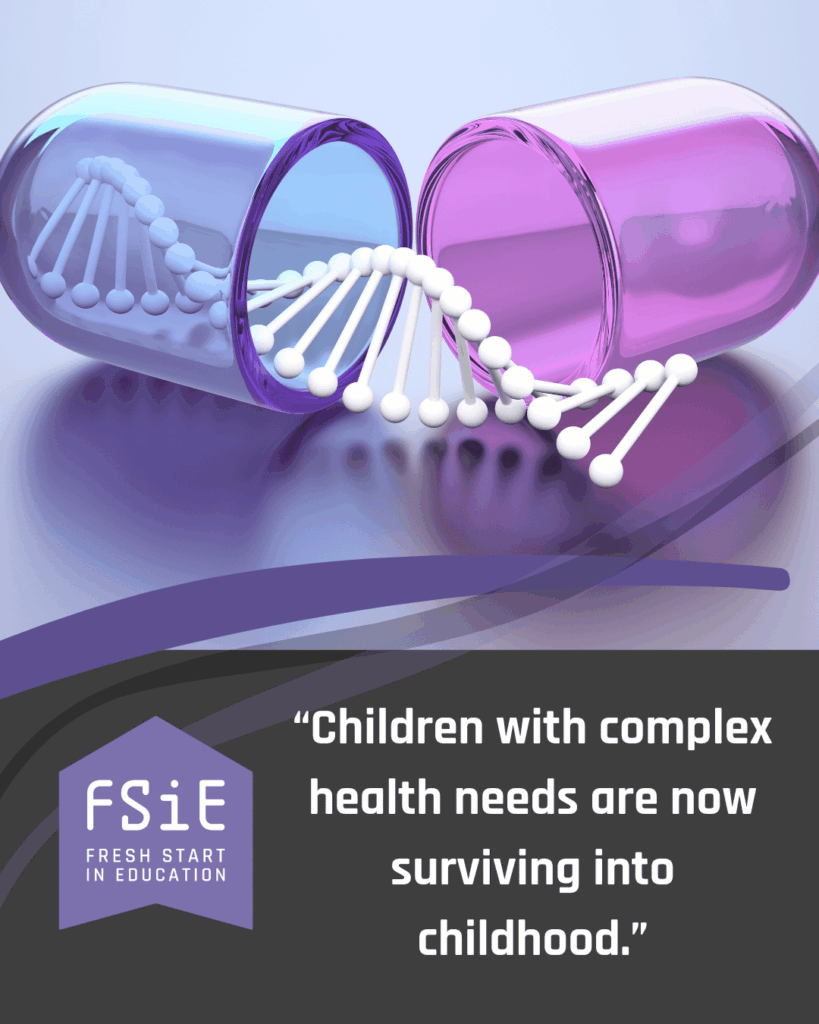
One of the most meaningful changes is thanks to modern medicine. Premature babies, children with congenital conditions, genetic syndromes, or complex health needs are now surviving into childhood and beyond at much higher rates. Many of these children may have additional learning or developmental needs - and decades ago, they may not have survived at all.
This rise is a testament to progress, not decline.
5. Girls and women are finally being recognised
For decades, almost all autism and ADHD research focused on boys, and diagnostic tools were built around male patterns of presentation.
This meant that girls who masked their difficulties, who internalised rather than externalised behaviours and whose challenges were subtle, social, or anxiety-based were almost entirely missed. Many grew up unsupported or misdiagnosed, often reaching adulthood before finally receiving answers.
Today, we’re correcting that imbalance.
There is growing awareness that women and girls often present differently - socially compensating, copying peers, or hiding distress until they reach burnout. As a result, more females are now receiving timely, accurate diagnoses, which contributes to the rise in recorded figures and reflects a more equitable and informed approach to neurodevelopmental needs.
6. Inclusion, Visibility and Representation
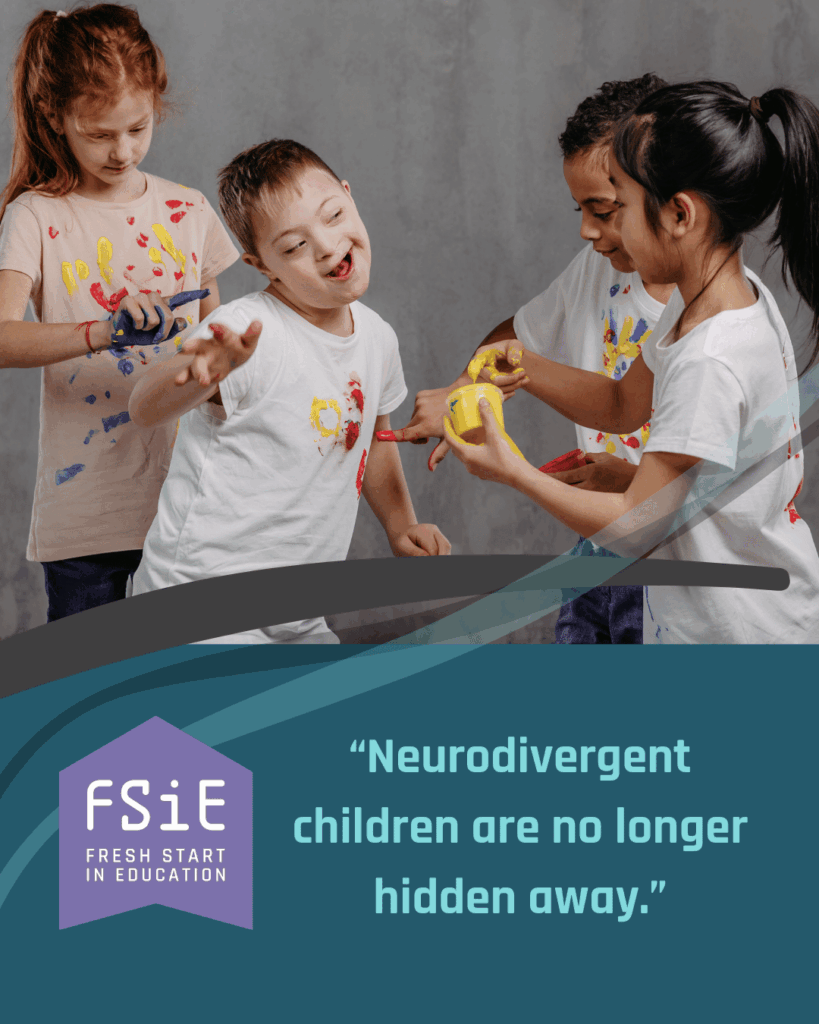
One of the most powerful societal shifts is that disabled and neurodivergent children are no longer hidden away. In the past, many families felt pressure to keep children with additional needs at home or out of public view, and some were even institutionalised and excluded from their communities.
Today, thanks to inclusive education, social movements, and widespread advocacy, this stigma is steadily being replaced by visibility and pride. From representation in books, TV and social media, to national moments of solidarity such as the ‘Every Pair Tells a Story’ campaign - where hundreds of families took to the streets and their council offices to display empty shoes to call for better funding and SEND reforms - public awareness has grown, and with it, understanding.
Children now see disabled and neurodivergent characters in stories; parents speak more openly; communities are more welcoming. Simply put, people are no longer hidden away. They are visible, valued, and part of everyday life. That increased visibility contributes to rising figures - but it also reflects a fairer, kinder society.
7. Adults seeking answers
Finally, there’s been a cultural shift towards acceptance.
Many adults, particularly parents of neurodivergent children, are now recognising lifelong traits in themselves and seeking diagnoses later in life.
In addition to this many adults now feel comfortable openly identifying as neurodivergent. Online communities and advocacy networks have empowered individuals to seek assessment and support, often discovering explanations for lifelong differences. This openness adds to the data - but also reduces stigma and isolation.
A Rise Worth Celebrating
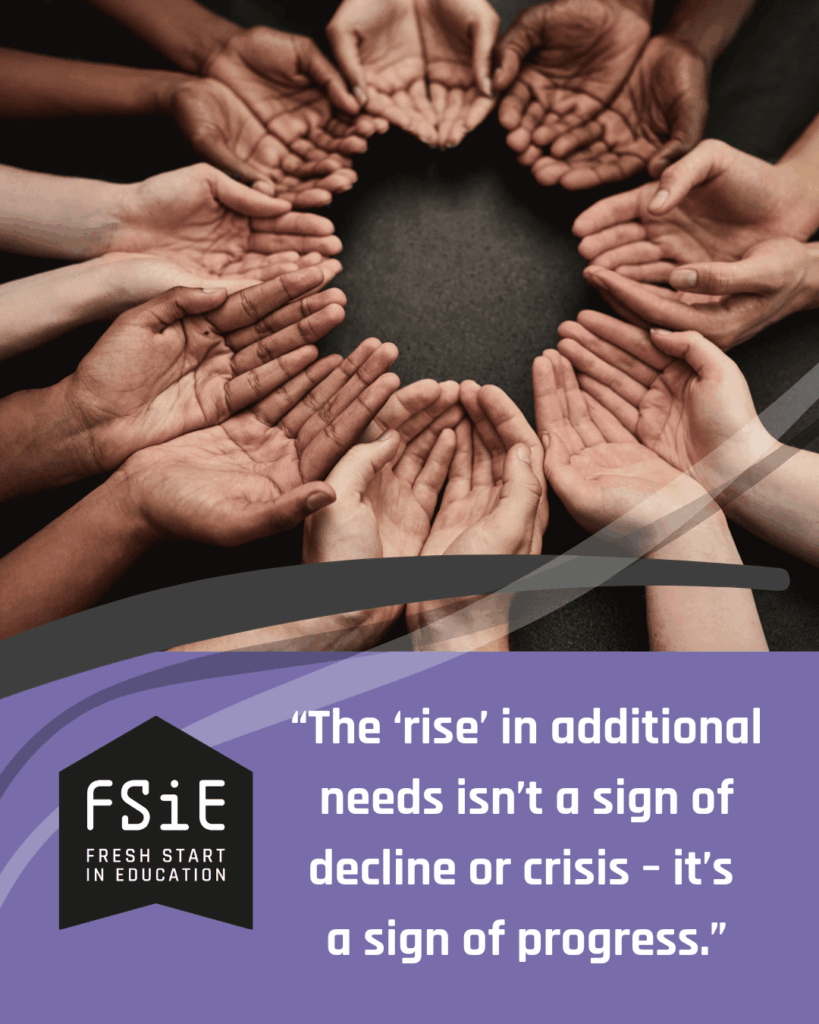
When we look closely, the ‘rise’ in additional needs isn’t a sign of decline or crisis – it’s a sign of progress. We are recognising children more accurately, supporting them earlier, and celebrating their differences rather than overlooking them. At Fresh Start in Education, we believe the increase in identified additional needs reflects a more compassionate, informed, and inclusive society. We’re not creating more needs - we’re finally seeing them.
Children who would once have been misunderstood, excluded, or unsupported are now recognised for who they are: individuals with strengths, differences, and incredible potential. More children are receiving the right help, at the right time – and we think that is a change worth celebrating.
But we also know that this growing recognition comes with real challenges. More diagnoses mean more children are entering a system that was already stretched to breaking point. Teachers, parents, and local authorities report overwhelming demand, and many feel the support infrastructure is struggling to keep up.
Some of the pressures are very evident:
I don’t say this to dampen the joy of greater recognition - but to underline that celebration must go hand in hand with action. If more children are being rightly seen, then our systems must rise to meet them.
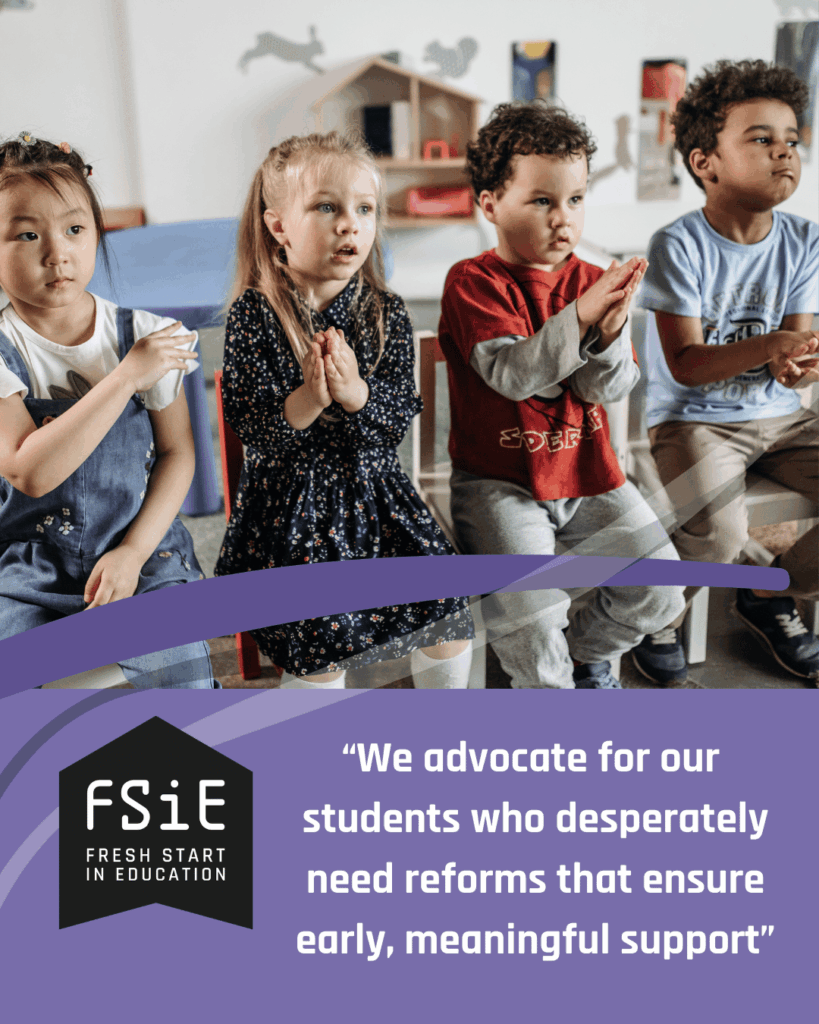
At Fresh Start in Education, we stand for both truths: yes, the rise is a victory, and yes, the system needs to catch up. We advocate for our students who desperately need reforms that ensure early, meaningful support; for sustained investment in schools, therapists, and educational psychologists; and for a system that honours the rights of every child - not just those who get a formal label.
Because celebrating inclusion also means demanding justice.
About the author
Holly is one of our Education Supervisors here at Fresh Start. In her previous roles as a Teacher and SENCo she has worked extensively with children and young adults with SEND, as well as those who are Young Carers. Holly holds a degree in Childhood and Youth Studies.
REFERENCES:
Shoe protest highlights 'forgotten' Send children:
https://www.bbc.co.uk/news/articles/c93dwv7dlv9o
What’s behind the UK’s increase in autism diagnoses?
https://www.theguardian.com/society/2024/mar/04/uk-increase-autism-diagnoses-neurodiversity
Time trends in autism diagnosis over 20 years: a UK population-based cohort study
https://pubmed.ncbi.nlm.nih.gov/34414570
Autistic women and girls
https://www.autism.org.uk/advice-and-guidance/topics/identity/autistic-women-and-girls
‘The worst it’s ever been’: teachers decry Send crisis in England’s schools
Students with special educational needs are years behind their peers – they need specialist teachers in mainstream classrooms
EHCP: Councils missing education plan deadlines for children with complex needs
https://www.bbc.co.uk/news/education-68668602
Councils warn of 'total collapse' in special needs system
https://www.bbc.co.uk/news/articles/c9v127xp2r4o
Fight for Ordinary
https://disabledchildrenspartnership.org.uk/fight-for-ordinary