Alternative Provision (AP) exists because not every young person thrives within a traditional education setting. While that reality should already be widely understood, AP across the UK is still too often viewed through narrow assumptions that fail to reflect the complexity, skill and care involved in the work.
Many people outside the sector continue to associate Alternative Provision with exclusion, disruption or failure, even though some of the most specialised and emotionally intelligent educational work takes place in these environments every day.
Behind strong AP settings are teams supporting young people with complex experiences, including trauma, anxiety, unmet additional needs, fractured relationships with education, and significant challenges around trust and emotional well-being. The work requires far more than behaviour management or academic support alone. It demands patience, adaptability, safeguarding expertise, therapeutic understanding, and the ability to build meaningful relationships with young people who may already feel disconnected from education systems around them.

Why So Many Misconceptions Exist
A large part of the misunderstanding surrounding Alternative Provision comes from limited visibility.
Most people never see the day-to-day reality inside a strong AP setting. They do not see the conversations that take place before learning can even begin; the consistency required to rebuild trust or the emotional safety that must be created before a young person feels able to engage again.
Instead, perceptions are often shaped by labels and assumptions that oversimplify both the young people accessing support and the provisions themselves.
Over time, this creates a narrative that positions Alternative Provision as something separate from educational excellence, rather than recognising it as a highly skilled and essential part of the educational landscape.
The language used around AP can also contribute to misunderstanding. Young people are frequently described through deficit-focused labels that reduce complex circumstances into simplistic descriptions. When this becomes the dominant narrative, it affects how people view not only the young people themselves, but also the organisations supporting them.
The Cost of Being Misunderstood
When Alternative Provision is not properly understood, the impact extends far beyond reputation.
Misunderstanding affects referrals, funding conversations, recruitment, and external trust. Many APs find themselves repeatedly having to justify their approaches or explain outcomes within systems that do not always recognise what meaningful progress can look like for young people with complex needs.
Success within Alternative Provision is not always immediate, linear, or easily measured through traditional frameworks. In many cases, progress begins with smaller but deeply important changes, including improved attendance, emotional regulation, increased confidence, stronger communication or simply a young person feeling safe enough to engage consistently for the first time in months.
These outcomes matter because they often form the foundation that allows long-term educational progress to happen at all. When those milestones are overlooked or undervalued, the expertise required to achieve them is often overlooked too.
The Reality of Working in Alternative Provision
Strong Alternative Provisions are not operating with lower expectations or reduced ambition. In reality, many are balancing education, safeguarding, therapeutic support, and relational practice simultaneously, while adapting approaches around the individual needs of every young person they support.
There is no single blueprint that works for every learner. Flexibility is often one of AP’s greatest strengths, although it can also contribute to misunderstanding from the outside, particularly when compared with more traditional and familiar educational models.
Staff working within AP settings are regularly navigating high-pressure environments while remaining consistent, calm and relationship-focused. They are supporting young people through some of the most challenging periods of their lives, often while carrying significant emotional responsibility themselves.
This work deserves to be recognised as highly skilled professional practice, rather than viewed as a secondary option within education.
Why Better Understanding Matters Now
The growing demand for Alternative Provision across the UK makes a greater understanding even more important.
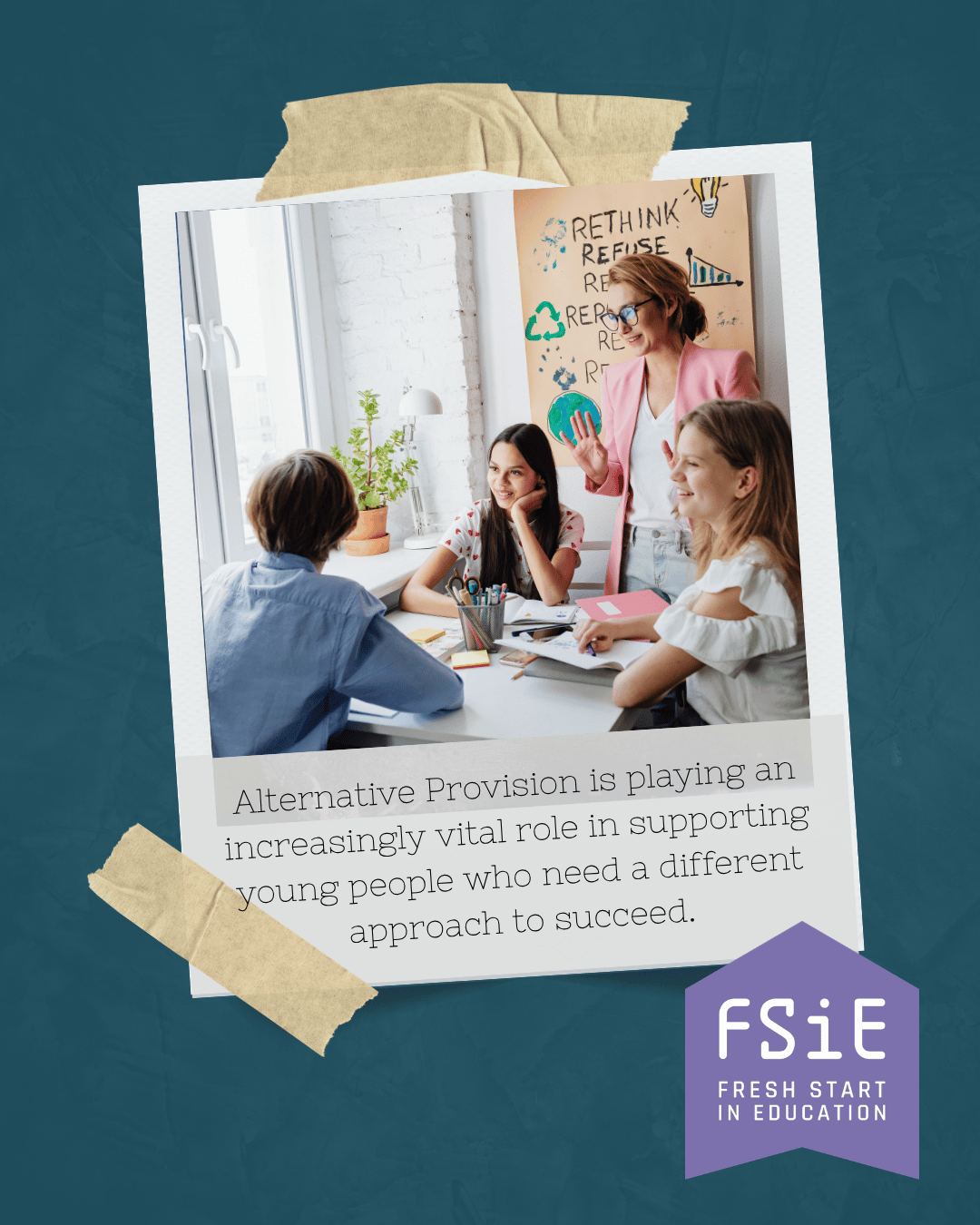
Increasing numbers of young people are struggling with anxiety, emotionally based school avoidance, unmet SEND needs and wider challenges affecting their relationship with education. As pressure across schools and local authorities continues to rise, Alternative Provision is playing an increasingly vital role in supporting young people who need a different approach to succeed.
A better understanding would improve far more than public perception alone. It would help schools and commissioners build stronger partnerships with provisions, allow families to feel greater confidence in the support available and create more informed conversations around what meaningful outcomes genuinely look like within this part of the sector.
Greater visibility would also help challenge outdated stereotypes that continue to shape how AP is discussed publicly.

Changing the Conversation Around Alternative Provision
Alternative Provision does not need sympathy or lowered expectations. What it needs is accurate representation and recognition of the expertise that exists within it.
The conversation around AP should move beyond outdated assumptions and towards a clearer understanding of the environments, relationships and specialist approaches that allow vulnerable young people to reconnect with learning and move forward positively.
Listening to the voices of young people, families, and AP professionals is an important part of that change. Spending time inside strong Alternative Provisions quickly makes one thing clear: these settings are not simply acting as an alternative to mainstream education. For many young people, they are the first environments where they have genuinely felt understood, supported and able to succeed.