Health equity is a phrase we hear increasingly often, but what does it actually mean in the context of school-based education?
For me, health equity is not simply about ensuring every child has access to the same services or opportunities. It’s about recognising that children arrive at school with very different life experiences, challenges and starting points. If we genuinely want every child to flourish, we have to look beyond the classroom and consider the wider conditions that shape their health, wellbeing and ability to learn.
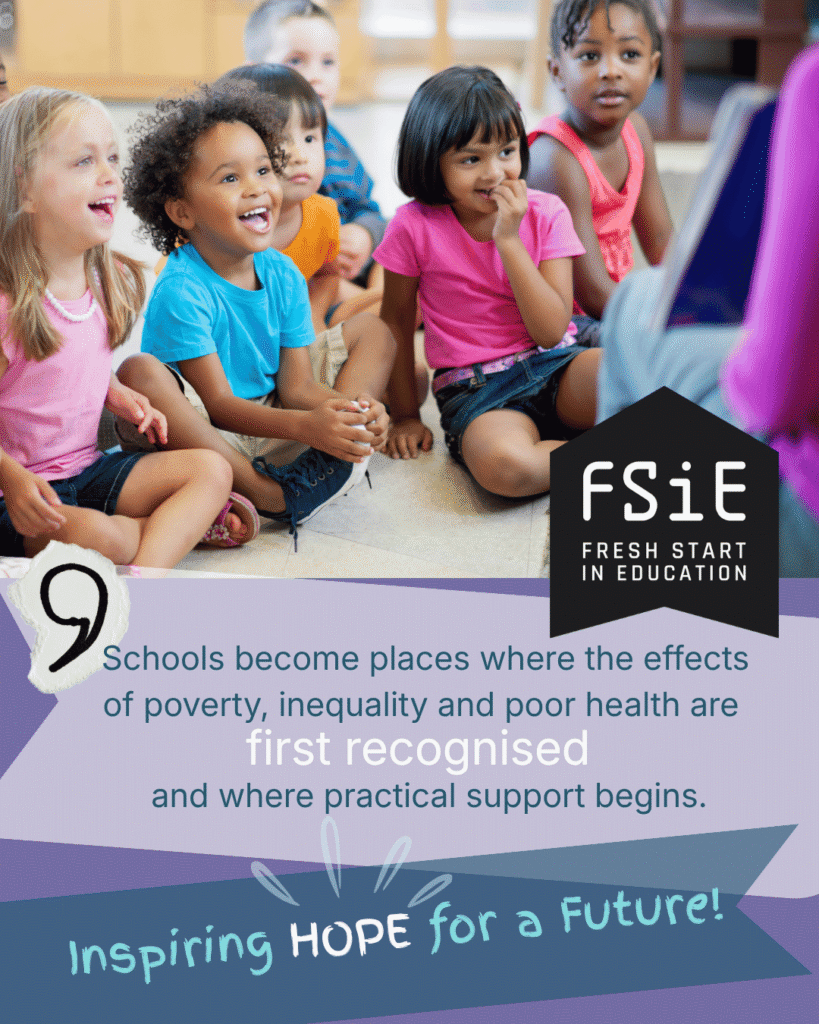
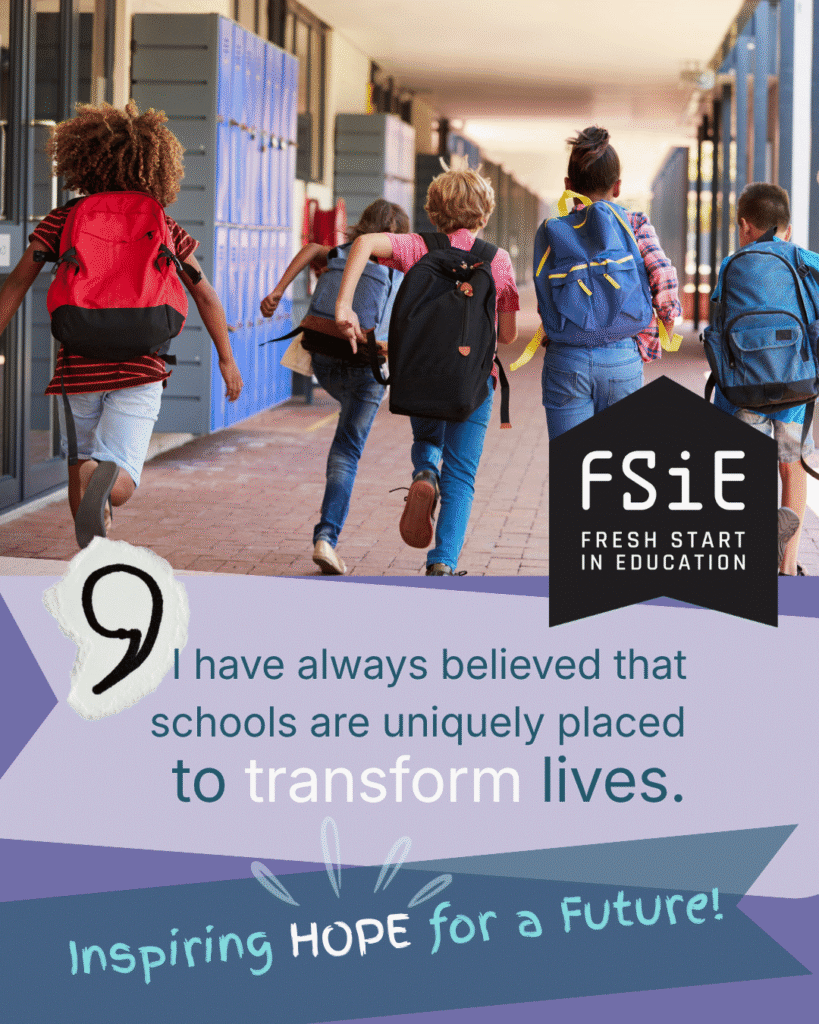
As a former primary school headteacher, I have always believed that schools are uniquely placed to transform lives. They are often the most trusted institution within a community, building relationships with children and families over many years. Increasingly, they’ve also become places where the effects of poverty, inequality and poor health are first recognised and where practical support begins.
This shift has happened gradually, but it has fundamentally changed the role of schools. Alongside teaching and learning, schools are now responding to issues such as food insecurity, poor mental health, housing pressures and financial hardship. These challenges are not distractions from education; they are often the barriers preventing children from accessing it fully.
The concept of health equity asks us to think differently about these issues. Rather than focusing solely on treating problems once they arise, it encourages us to understand and address the social conditions that influence health in the first place. Access to nutritious food, stable relationships, welcoming communities and trusted support networks all play a significant role in determining a child’s future.
Food sits at the heart of many of these conversations.
When we think about food in schools, our minds often jump straight to hunger. Of course, ensuring children have enough to eat is fundamental. A hungry child is less able to concentrate, engage, and achieve. However, food has the potential to do far more than simply meet an immediate need.
Food has an extraordinary ability to bring people together.
Across the hundreds of schools we have worked alongside, I have seen breakfast clubs become places where friendships develop, community cafés where isolated parents begin to feel connected, and school pantries that provide not only affordable food but also dignity, confidence and a renewed sense of belonging.
These initiatives are rarely just about food; they’re about relationships.
One of the greatest strengths of schools is the trust they build over time. Families may feel reluctant to approach statutory services or formal agencies when they are struggling, yet they will often speak openly with someone they know at school. A conversation over breakfast or while collecting groceries can become the starting point for accessing wider support, whether that is financial advice, mental health services or simply reassurance that they are not facing their challenges alone.
This is where I believe food becomes a powerful tool for advancing health equity.
It creates opportunities for connection that many other interventions cannot. It removes stigma, encourages participation and provides a natural environment where relationships can develop. Those relationships are often the foundation upon which resilience is built.
Research consistently shows that strong social connections contribute to better physical and mental health outcomes. We also know that children are more likely to succeed when the important adults in their lives work together. When schools create opportunities for families to engage, not because there is a problem to solve but because they feel welcomed into the life of the school, something important begins to change. Parents become partners rather than recipients of support. Communities become stronger because people feel they belong.
This is particularly important in areas experiencing high levels of deprivation.
Too often, conversations about disadvantage focus on what communities lack. Yet every community possesses strengths, relationships and aspirations that deserve to be recognised. A health equity approach builds upon these existing assets rather than viewing families solely through the lens of need.
That requires a shift in mindset.
Instead of asking, “How do we help these families?”, perhaps we should be asking, “How do we create the conditions in which families can thrive?”
The answer rarely lies with one organisation acting alone.
Schools can’t solve health inequality in isolation, nor should they be expected to. Lasting change depends upon genuine collaboration between education, health, local authorities, charities, businesses and community organisations. Each brings different expertise, perspectives and resources, but all share a common goal: enabling children and families to live healthier, happier lives.
Some of the most inspiring work I have seen happens when organisations stop working in parallel and begin working together. Partnerships enable schools to extend their reach, reduce duplication and create joined-up support that feels accessible rather than overwhelming for families.
Health equity is ultimately about fairness, but fairness doesn’t always mean treating everyone the same. It means recognising different circumstances and responding in ways that enable every child to achieve their potential.
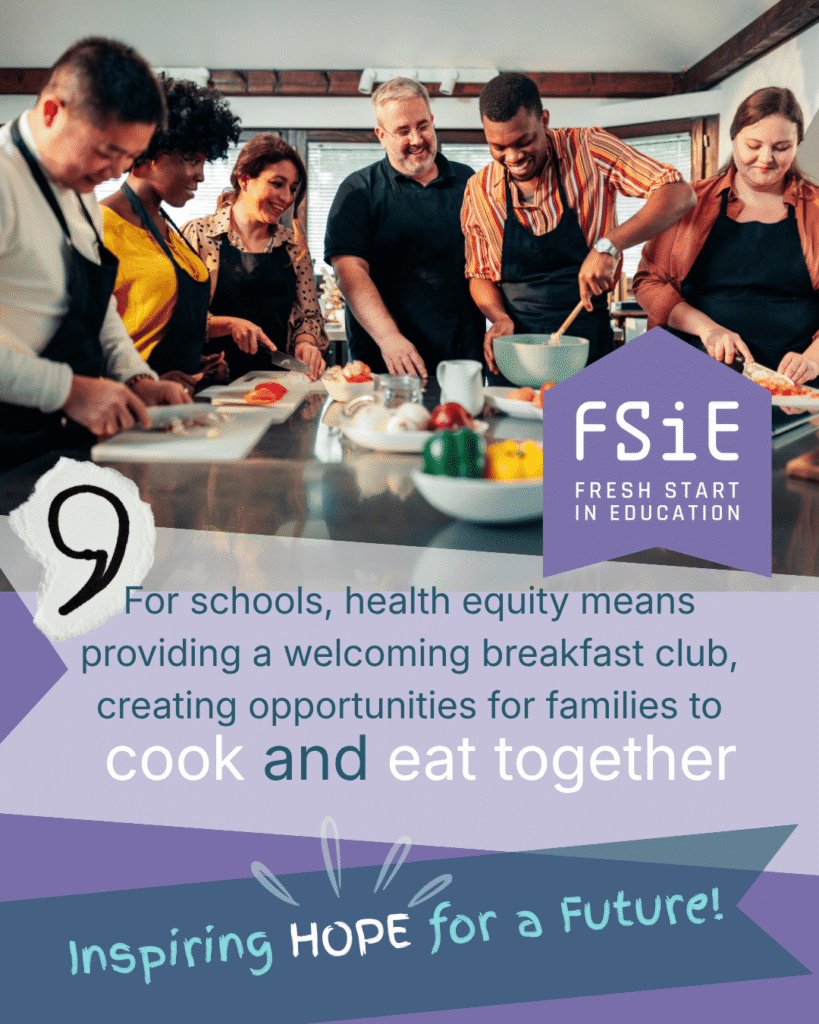
For schools, that might mean providing a welcoming breakfast club, creating opportunities for families to cook and eat together, establishing a school pantry or simply ensuring there is always a warm, trusted space where conversations can happen. These actions may appear small in isolation, but collectively they help create environments where children feel safe, families feel valued, and communities become more resilient.
As educators, we often measure success through attendance, attainment and academic progress. These remain vital, but perhaps we should also consider other indicators. Do families feel connected to their school? Do parents know where to turn when they need support? Do children feel they belong? Are communities becoming stronger because schools are investing in relationships as well as results?
These questions may be harder to quantify, but they are equally important if we are serious about improving health equity.
Sharing food together will not solve every challenge facing children and families. However, it can create something that every lasting solution depends upon: trust.
When schools, families and communities trust one another, they’re far better placed to nurture resilience, create opportunity and ensure every child has the chance not just to succeed in education, but to live a healthy, fulfilling life.