
What is a Stammer?
Stammering, also known as stuttering, is a neuro-developmental condition where someone repeats, stretches, and/or gets stuck when they are speaking. It is estimated that 8% or 1 in 12 children stammer at some point. Many of these children will resolve their stammer naturally within a few months. Stammering is more common in boys than girls.
“FINDING YOUR VOICE: UNDERSTANDING STAMMERING” – It is estimated that 8% or 1 in 12 children stammer at some point.

There are two main types of Stammering:
- developmental stammering – the most common type of stammering that happens in early childhood when speech and language skills are developing quickly
- acquired or late-onset stammering – is relatively rare and happens in older children and adults as a result of a head injury, stroke, or progressive neurological condition. It can also be caused by certain drugs, medicines, or psychological or emotional trauma
Symptoms of Stammering:
- Repeating sounds, syllables, or words, for example, repeating a sound as in W-W-W-What
- Prolonging sounds, for example, SSSSend
- Using interjections such as “um” or “like,” for example, I am going – um um like…
- Talking slowly or with a lot of pauses
- Stopped or blocked speech. The mouth is open to speak, but nothing is said.
- Being out of breath or nervous while talking
- Fast eye blinking or trembling or shaking lips when speaking
- Increased stuttering when tired, excited, or under stress
- Being afraid to talk
Treatment for Stammering:
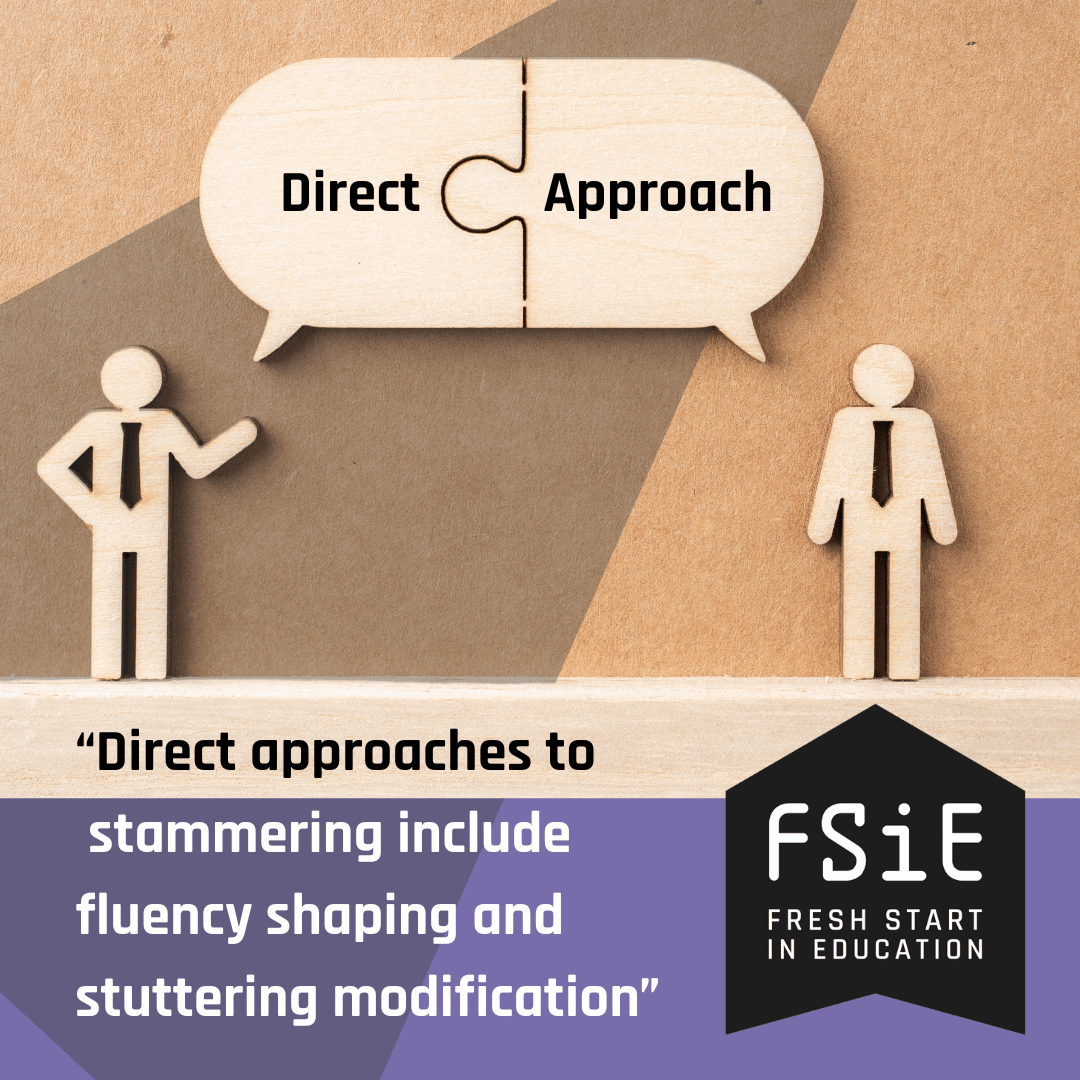
Direct Therapy – Direct approaches to stammering include fluency shaping and stuttering modification. Examples of fluency shaping include slowed speaking rate, increased pauses during turn taking, reduced interruptions while child who stutters is speaking, and relaxed breathing.
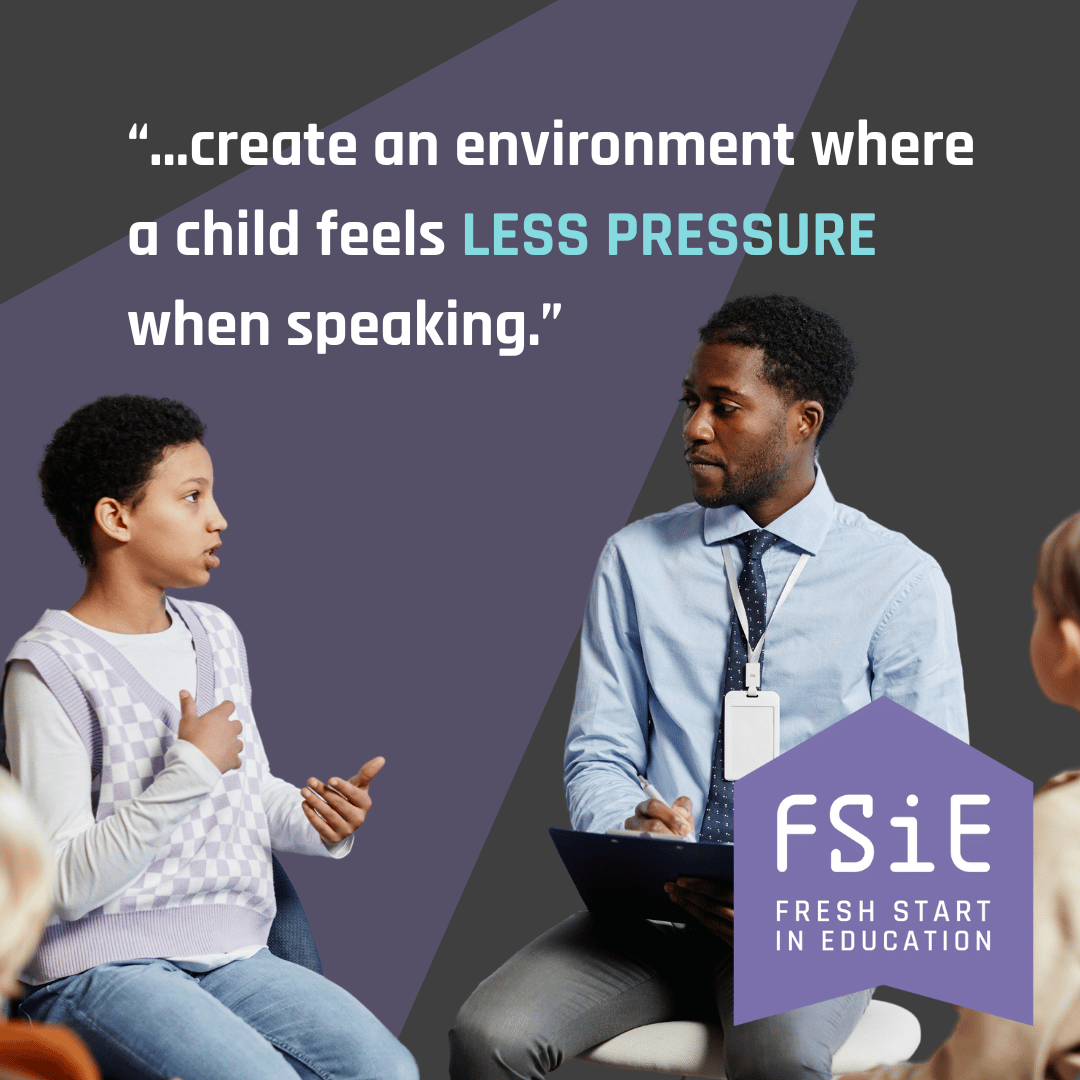
Indirect Therapy – Strategies that help make it easier for your child to speak. The aim of indirect therapy is to create an environment where a child feels less pressure when speaking. Parents make changes to the way they communicate and the home environment, rather than focusing directly on their child’s talking.
It is important is to talk to your GP or speech and language therapist if you have any concerns about your child’s speech or language development. Speak with your child’s teacher about your concerns. They may be able to refer you to the local speech and language therapy service.
Top tips for parent/carers…
- Avoid correcting the child’s stammer.
- Be patient and show signs of active listening. E.g., ‘I’m still listening,’ maintain eye contact, small noises that suggest you’re listening (‘mmm.’)
- Don’t interrupt your child when they are speaking.
- Try not to react in a negative way. Instead, praise your child for correct speech.
- Provide a relaxed environment that encourages your child to speak about their interests and what’s on their mind.
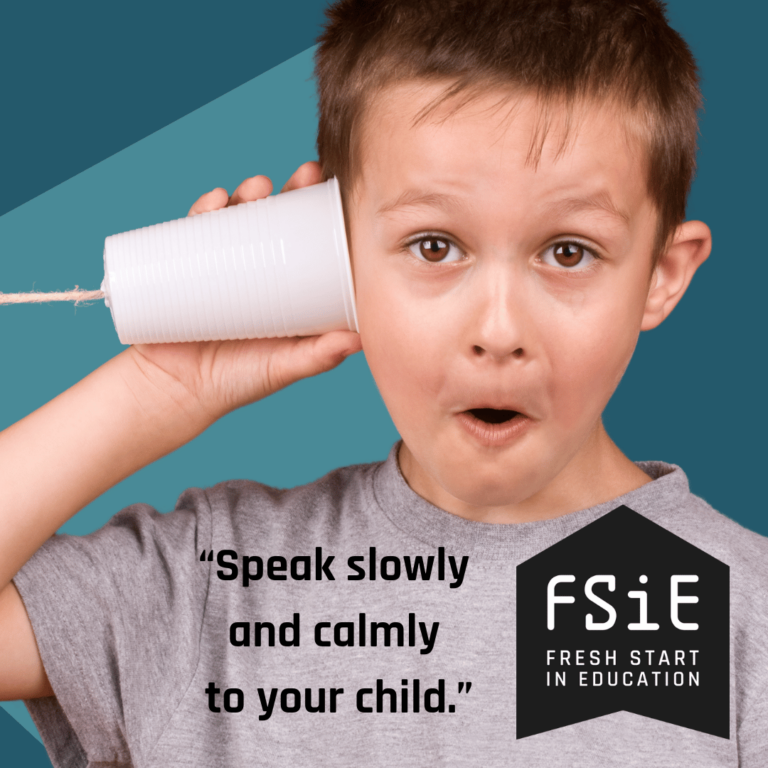
- Speak slowly and calmly to your child.
- Avoid finishing their sentences if they’re struggling to get their words out.
- Try not to make remarks like “slow down,” “take a deep breath,” “relax”- this often draws attention to the child that they are not speaking properly and often these comments aren’t helpful.
“Having a parent who listens, creates a child who believes he or she has a voice that matters in the world.” – Rachel Macy Stafford
Helpful links