Referrals Line 0203 409 6410

Contact us
[responsive_menu_pro]
Contact us
[responsive_menu_pro]

“WHEN WE SPEAK, BULLYING LOSES POWER”

HOME  >  BLOG  >  “WHEN WE SPEAK, BULLYING LOSES POWER”

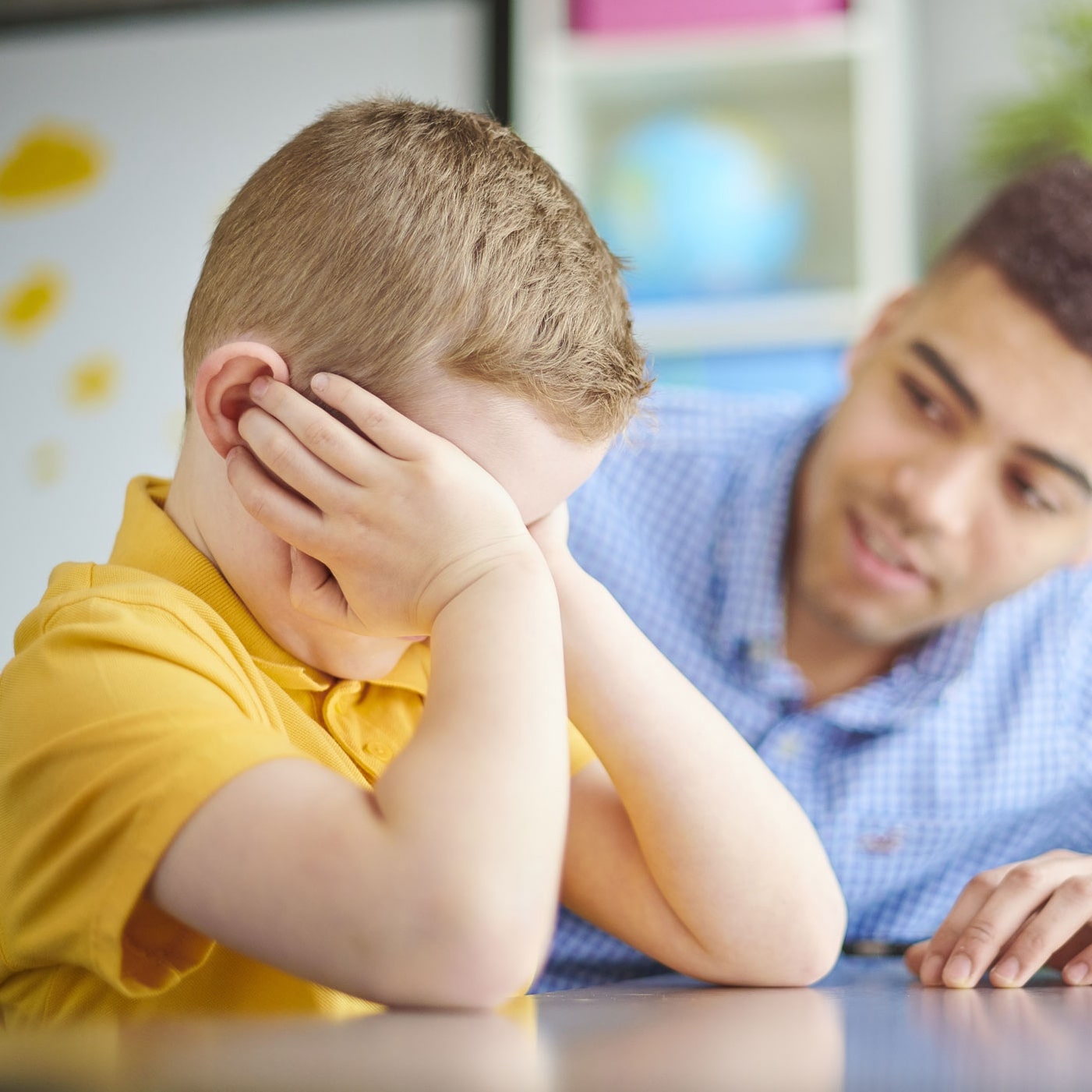
Every year, bullying impacts the lives of countless young people, and silence helps it grow. From the classroom, playground, homes, to phones. Lasting change needs all of us to take action.

The Anti–Bullying Alliance reported that in the year ending March 2023, an estimated 1.5 million children aged 10-15 in England experienced in-person bullying, and 847,000 experienced online bullying. Research from Anti-Bullying Week 2024 found that 1 in 4 young people under 25 are currently experiencing bullying, with 77% having been bullied at some point in their lives. Other data shows that children with disabilities and those eligible for free school meals are at a higher risk of being bullied.

In 2024, the Anti–Bullying Alliance launched their Power for Good campaign. Over 80% of schools marked the week, and the campaign reached approximately 7.5 million children and young people. The campaign aimed to empower young people to take positive action to overcome the hurt and harm caused by bullying, encouraging them to speak out, raise awareness when they witness bullying both face-to-face and online, support others, and build a world where kindness prevails.

Victims of bullying experience both short-term and long-term effects. In the short term, bullying creates a barrier for learning, with approximately 16000 young people aged 11-15 missing education due to bullying. This places a strain on educational establishments and families who are required to take responsibility for the attendance of young people in their care. Victims of bullying are more likely to experience mental health issues, including depression, anxiety and self-harming tendencies. In the long term, this can create a negative effect on how victims perceive themselves into adulthood. This can impact self-confidence and the ability to gain qualifications, complete education, and achieve successful employment. Research suggests that adults who were bullied as children are more likely to become victims of domestic violence and be involved in unstable relationships.

A generation ago, bullying was limited to the playground and the classroom. The recent access to social media and rising popularity have changed the way many conflicts arise and are addressed. There is no doubt that social media is having a negative impact on the number of bullying issues. Anonymity online makes it easier to say unkind or disrespectful things to others, and the tone or meaning of written communication can be easily misconstrued. This generation gap is also causing a possible lack of awareness between young people and the adults in their lives. Today’s young people, often described as Gen Z, are technology natives with access to more digital devices and platforms than anyone could have ever imagined possible 10 years ago. They were born into a world with smartphones and the internet. They are almost constantly online, creating virtually unlimited opportunities for cyberbullying. Whereas the older generations (Gen X) have adapted to the increase in technology and the internet during their lifetimes.

In recent years, communities have become ever more diverse. Certain groups, including racial, ethnic, religious, or LGBTQ+ minorities, and people with disabilities, are at a higher risk of being targeted for bias-based bullying. External events can also exacerbate bullying. For example, social or political tensions have been linked to an increase in bullying towards students of specific religious or ethnic backgrounds. While increased diversity can lead to higher risks of prejudice-based bullying, a supportive and inclusive environment that respects and embraces differences can actually reduce bullying incidents. Strategies to address this include incorporating diversity into the curriculum, promoting anti-bullying programs, and creating a culture of acceptance and respect to protect vulnerable groups. This also helps children to develop emotional intelligence and resilience. These skills not only help prevent bullying but also teach young people how to build respectful relationships face-to-face and online.

What can we do as educators and parents/carers to support anti–bullying and promote respect amongst our young people?

How can we help in Education?

  • Keep young people at the forefront of the conversation.
  • Keep these conversations happening in schools throughout the year, not just during anti–bullying week.
  • Listen to young people and provide lessons dedicated to teaching conflict management skills.
  • Be aware of the issues children and young people face in the modern world of social media and diversity.
  • Encourage them to “Choose Respect”
  • Create a culture of respect, empathy and role models.
  • Teach young people the impact of their words and actions.
  • Encourage open conversations about respect, kindness and difference.
  • Adopt an approach where respect and inclusion are embedded into daily practice.

How can we help at home?

  • Talking regularly with your young people about their face-to-face and online interactions and relationships.
  • Build trust. It will make it easier for them to speak up if they are being bullied or if they witness bullying.
  • Encourage positive digital behaviour.
  • Think before posting.
  • Make kind comments.
  • Report harmful content.

How can we help in the community?

  • Community involvement can further strengthen anti-bullying efforts.
  • Local youth groups, sports clubs, and community organisations can help reinforce the same positive messages.
  • Model respect and kindness.
  • Embed these principles as part of everyday life.

Ultimately, preventing bullying requires ongoing commitment. It’s about creating environments where every young person feels valued, included, and heard. By working together - educators, parents, carers, and young people themselves - we can continue to challenge bullying in all its forms and promote a culture where respect truly thrives and kindness prevails.

About the author

Anouska Riggall

Anouska is a qualified Primary School mainstream teacher, with 20 years experience in this sector. She has also worked with learners with low attainment levels, those with undiagnosed emotional difficulties, ASD, ADHD and challenging behaviour, and uses her skills to champion young people to achieve their goals.

To get in touch with a member of the Fresh Start in Education team, click here

Contact and Support

Scotland
0131 341 4380

Northern Ireland
02896 206 040

North
0191 691 0884

South
01202 497 193
Midlands
01217 946 504

South East
01622 963 498

London
0203 409 6410

South West
01392 790 678

Company Information

VAT Registration Number: 317 1675 06
Registered with the Information Commissioner’s Office No: Z2898392

Fresh Start in Education Ltd is a Limited Company incorporated in England, Wales & Scotland
Registered No: 7133204
Scotland Registered No: SC591697

Registered office: 
2nd Floor 32-33 Watling Street, Canterbury, Kent, United Kingdom, CT1 2AN
Scotland registered office:  4th Floor, 115 George Street, Edinburgh, EH2 4JN
homeapartmentcrossmenu linkedin facebook pinterest youtube rss twitter instagram facebook-blank rss-blank linkedin-blank pinterest youtube twitter instagram